Parking sensors and the rear-view camera have become almost essential in today’s cars, and for good reason: squeezing into a tight spot in Mijas Costa is far easier when the beeps warn you and the screen shows what’s behind you. That said, it’s worth remembering from the outset: neither the sensors nor the camera are infallible. They help a lot day to day, but they don’t replace checking your mirrors and turning your head before you manoeuvre.
What parking sensors and the camera do
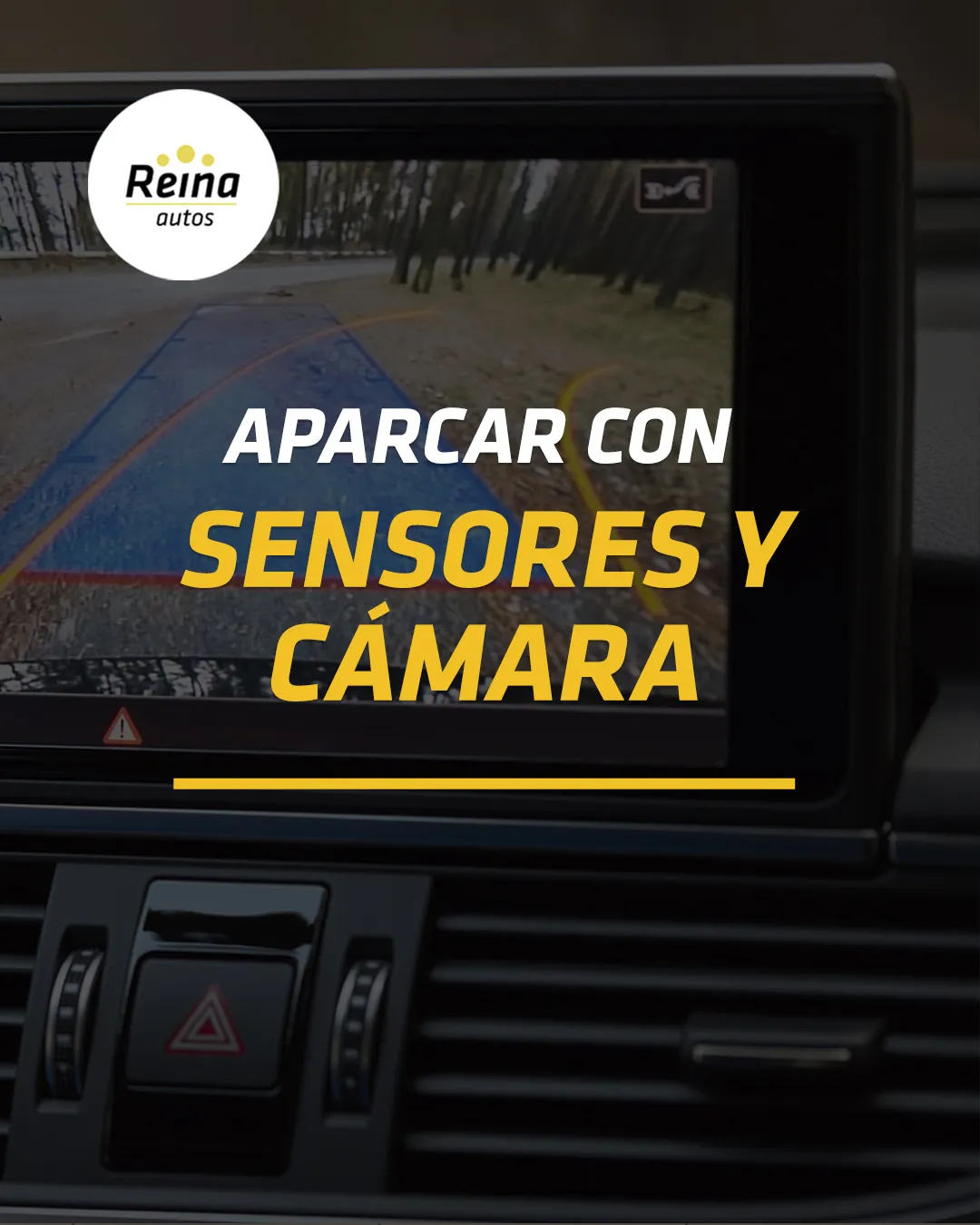
Parking sensors detect what’s around the car and translate it into alerts: usually a beep that speeds up the closer you get to an obstacle. The rear-view camera goes a step further and shows you on the screen what’s right behind you, often with guide lines that follow your path as you turn the wheel.
Working together, these sensors and the camera give you a pretty clear idea of the space available. It’s a huge help for slotting the car into tight bays, getting out of a narrow garage or easing up to a kerb without clipping it.
Technology helps, but it doesn’t replace looking
However good the parking sensors are, the driver’s own eyes are still in charge. The camera shows one specific angle and the sensors cover certain areas, so something always stays out of their reach. That’s why the old-school habit still counts: check your mirrors and turn your head before moving the car.
Think of the sensors and the camera as a co-pilot that warns you, not as someone who parks for you. When you combine what’s on the screen with your own eyes, you manoeuvre far more calmly and save yourself more than one scare.
When you shouldn’t trust the sensors for everything
There are situations where parking sensors can get confused: very low or very thin objects, an uneven wall or an obstacle right at the edge of their range. The camera has its weak spot too, because it gets dirty with mud, dust or rain and the image loses sharpness just when you need it most.
And there’s something no technology replaces: paying attention to whatever moves. A child, a pet or a bike can appear at the last moment. That’s why parking sensors are a support, not a substitute for driving with your head switched on and taking your time when you manoeuvre.
Cars with parking sensors and a camera at Autos Reina
At Autos Reina, in Mijas Costa, many of the cars we sell already come with parking sensors and a rear-view camera as standard. We look after every vehicle that leaves here and the person who’s going to drive it too, so we’ll explain what driver aids each model fits without any sales fluff.
If you’re after a car that gives you that extra peace of mind when parking, come and see them. We’ll show you which models have parking sensors, how their camera works and, above all, how to get the most out of them while still checking your mirrors.
Frequently asked questions
Can I park with the camera alone without looking back?
It’s not advisable. The camera shows part of what’s behind you, but it leaves angles out. The safe way is to combine it with your mirrors and a glance over your shoulder before you reverse.
Can parking sensors be fitted to a car that doesn’t have them?
Yes, there are kits to add sensors or a camera to cars that didn’t have them from the factory. If you’re interested, at Autos Reina we’ll advise you on which options fit your vehicle best.
Do they work just as well at night or in the rain?
The sensors keep measuring distances in low light, but the camera depends on the conditions: at night or in the rain the image loses quality. In those moments you need to slow down and rely more on your own eyes.