Quick answer: there is no mileage figure that works for every car. What decides whether a car is a good buy is the combination of mileage, age, documented maintenance and real condition: a high-mileage car that has been well looked after can be a better buy than a low-mileage one with no maintenance.
It is one of the questions we hear most when people buy a used car: how many kilometres is too many? The short answer is that there is no magic number. A car with high mileage that has been well looked after can be a better buy than one with low mileage and no maintenance. What matters is reading the odometer together with the age, the use and the history of the car.
The number alone is not enough: look at age and use
The same mileage means something different on a three-year-old car than on a ten-year-old one. As a rough guide, many drivers cover between 10,000 and 15,000 km a year. If a car has far more kilometres than usual for its age, ask why; if it has far fewer, it is also worth asking why it was parked, because a car that is barely used also ages.
What matters more than the odometer
- Maintenance: an up-to-date service book, with oil and filters changed on time, is worth more than a few kilometres less.
- Type of use: motorway kilometres wear a car less than short cold-start city trips, which are harder on the engine and the exhaust system.
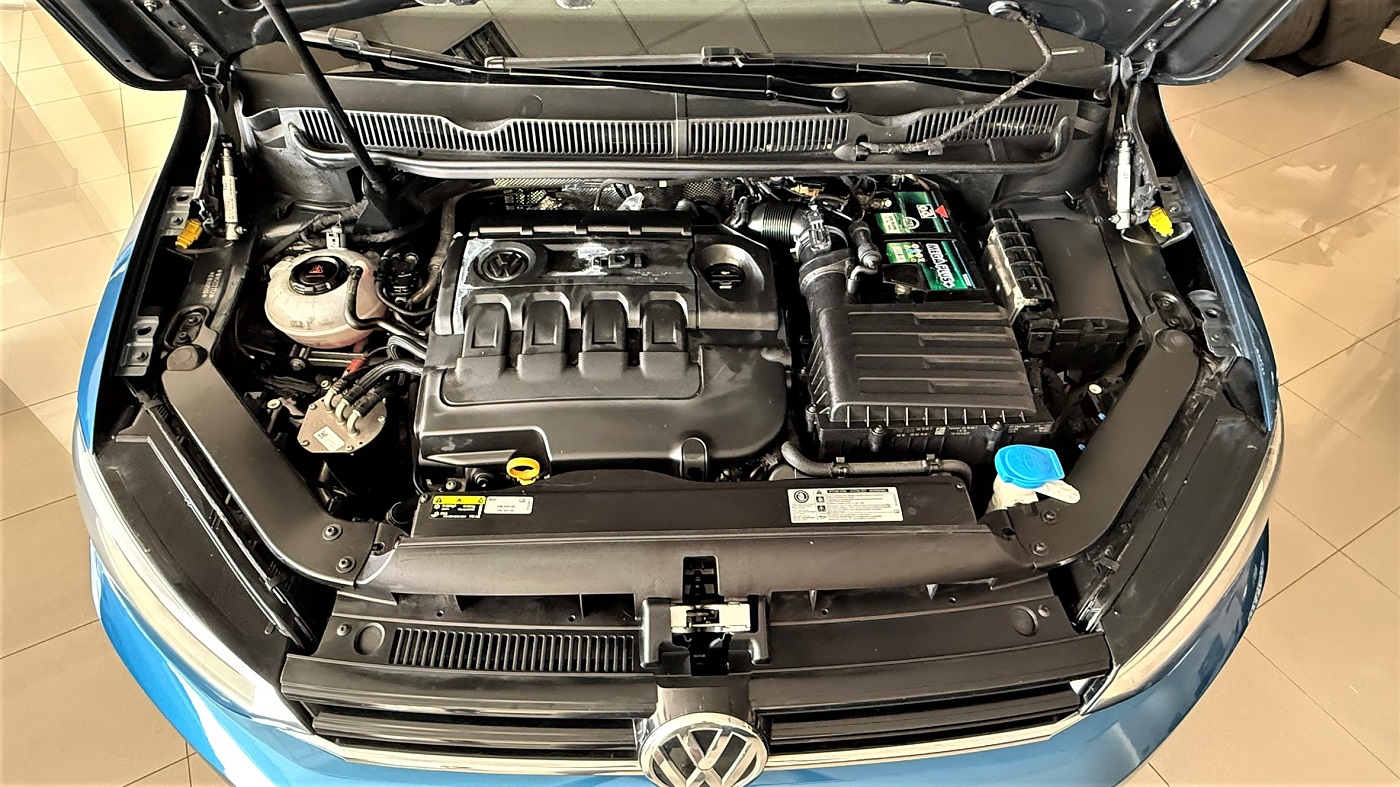
- The engine and the model: some engines are designed to cover many kilometres on the road, while others are more delicate. Ask about the usual faults of the model you are interested in.
- Parts already replaced: a new timing belt, clutch or brakes are good news, as long as there is an invoice.
How to check that the mileage is real
Before you trust the odometer, cross-check the data. Ask for the service book and the garage invoices, which usually show the mileage at each visit. Look at the previous ITV (roadworthiness inspection) results too, which record the mileage at each inspection, and check that the progression makes sense.
Signs of wear that do not lie
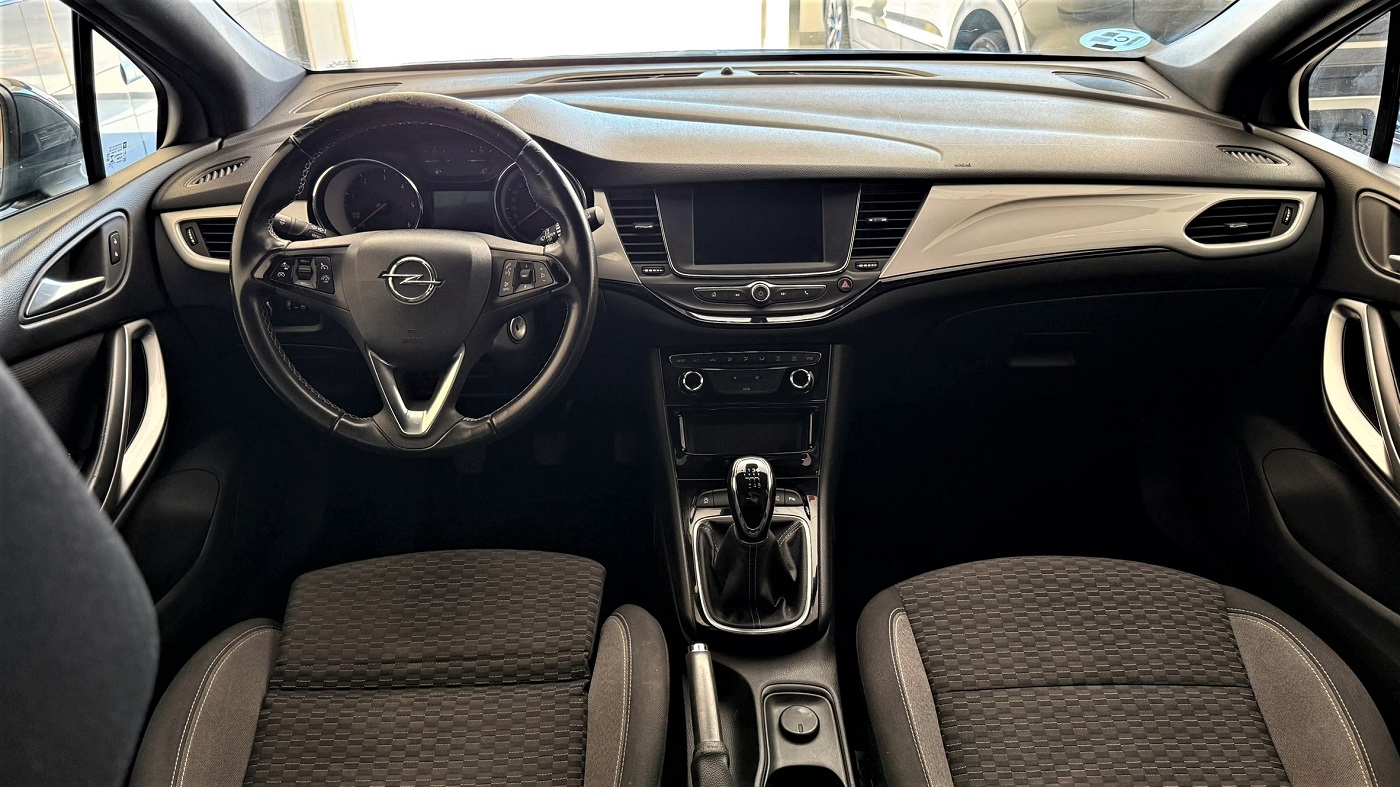
Look at the condition of the steering wheel, the gear lever, the pedals and the driver’s seat. If they are very worn and the car shows low mileage, something does not add up. Listen to the engine cold and warm, and check for smoke, strange noises or jerking when changing gear. A few minutes behind the wheel often tells you more than any figure.
Mileage and price
For the same age and model, a car with more kilometres usually costs less. That can be an opportunity if the maintenance is documented, but always compare several similar cars before deciding. At Autos Reina we show the real mileage on each car’s page, so you can compare with confidence.
Our advice
Do not rule out a car just because of its mileage. Judge the whole picture: age, maintenance, previous use and general condition. And if you have doubts, test drive it and ask whatever you want.
Frequently asked questions about used car mileage
How many kilometres is too many in a used car?
There is no single figure. Age, maintenance and use matter more than the number on the odometer: a high-mileage car that has been well looked after can be a better buy than a low-mileage one with no maintenance.
How many kilometres a year is normal?
As a rough guide, many drivers cover between 10,000 and 15,000 km a year. A car with far more or far fewer kilometres than usual for its age is a reason to ask why.
How can I tell if the mileage is real?
Cross-check the odometer against the service book, the garage invoices and the previous ITV results, which record the mileage, and check that the progression makes sense.
Is a high-mileage car cheaper?
For the same age and model, usually yes. It can be a good opportunity if the maintenance is documented, but compare several similar cars before deciding.
At Autos Reina we have second-hand cars with a 1-year warranty and the chance to test drive them with no obligation. Call us on 952 637 774 or get in touch. We serve customers in Fuengirola, Mijas and the surrounding area. Opening hours: Monday to Friday 10:00–14:00 and 17:00–20:00; Saturday 10:00–13:30.